
Porama Srijinda, Real Estate Advisor
Showing posts with label san diego home owners insurance. Show all posts
Showing posts with label san diego home owners insurance. Show all posts
Thursday, January 19, 2012

Monday, January 16, 2012
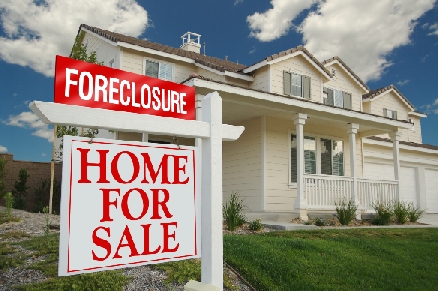
Foreclosure Homes Affecting San Diego
 |
| credits to http://matthackettrealestate.com |
Porama Srijinda, MBA.
REALTOR®, CIPS
Broker Associate at Keller Williams Realty.
Authorized HUD Agent. Short Sale and Equator Experiences,
Ca. DRE. Lic# 01838443
San Diego is the Best Place
San Diego is the best place in the World,
If God wanted a second home He would should
San Diego.
If you agree! follow me on twitter.
Pick your neighborhood in San Diego.
Sunset Cliffs Blvd, Point Loma panoramic ocean front yard across the street. surrounded by luxury homes with ocean front lots in Point Loma. Sunset Cliffs is a place that for surfing enjoy, you can see the La Jolla and Coronado Island. Your Dream Home is available here! Where the sunset’s with a warm glow; Right in front of your castle! And the Ocean Waves kiss the golden shores.

Electra Condominium, is one of the famous Highlight buildings. It’s part of Down Town San Diego. Luxury residential abodes are located on West E. St. Downtown San Diego. Architecture composed of Town Homes and Tower Buildings, Close to Ball Park, Conference Center and Embarcadero. Walk to business Centers, shopping mall, theaters, entertainment and morning breakfast in an open air sidewalk café.
Huge Lotto build.249 acre w/ Panoramic ocean front view, Lot has plenty of street access. Lot is surrounded by luxury homes: one of the very last ocean front lots in Point Loma. Located at the end of Sunset Cliffs near stairway to the beach. Plans for a home of approx. 6,000sf with guest home are optional, height restriction 30'. Not split able. Seller will consider carrying The financing with 20% or More down. terms are negotiable. For more information call agent. Thank you for showing.
Porama Srijinda, MBA
Broker Associate, REALTOR®,CIPS, GHPSS.F.R Short Sale & Foreclosure Resources
H.E.L.P Certified SpecialistVA and FHA Experiences
CA.DRE. Lic #: 01838443
CA.DRE. Lic #: 01838443
Friday, January 13, 2012
Green Home
 |
| credits to http://www.gtworkshops.com |
Buyers look for green home and energy efficiency appliances
Energy efficiency and conservation of natural resources, using sustainable products that are good for our planet is our way of educating the future generation for better living. Consult your appliance dealers for tips on how to make your home more green and energy efficiency.
Energy cost efficiency
· More insulation in the right places helps reduce energy and heating costs.
· Check all the areas where caulking and weather stripping are applied and replace where necessary.
Low-flow water fixtures such as faucets and showers, and dual-flushing toilets reduce water consumption.
· Unplug electronics when not in use; it reduces utility bills;
· Potential buyers will check for these kinds of details.
· Many electrical units use power when plugged in, even if they're not turned on form a habit of unplugging them.
Moderate-cost green updates
· Earth-friendly materials such as wood alternative flooring, furniture, cabinetry and other materials made locally, can reduce carbon, smog, and pollution buildup.
· High-efficiency HVAC units can replace heating and cooling systems. Purchase ENERGY STAR appliances, which use up to 40 percent less energy than conventional appliances.
· Install a high-efficiency water heater and keep the setting down a few degrees. Many local and state governments offer incentives for purchasing energy-efficient appliances.
Increase your home's appeal more green.
 |
| credits to http://www.constructionweekonline.in |
Remember the 60-second rule: That's all the time you have to create a winning first impression. Here are some simple to significant ways to maximize your home's appeal.
Exterior
* Keep the grass cut and remove all yard clutter.
* Weed and apply fresh mulch to flower beds.
* Apply fresh paint to wooden fences.
* Tighten and clean all door handles.
* Clean windows inside and out.
* Powerwash home's exterior.
* Ensure all gutters and downspouts are firmly attached and functioning.
* Paint the front door.
* Buy a new welcome mat.
* Place potted flowers near the front door.
Interior
* Evaluate the furniture in each room and remove anything that interrupts "the flow" or makes the room appear smaller. Consider renting a storage unit to move items off-site.
* Clean and organize cabinets, closets and bookshelves.
* Clean all light fixtures and ceiling fans.
* Shampoo carpets.
* Remove excessive wall hangings and knick-knacks.
* Repair all plumbing leaks, including faucets and drain traps.
* Make minor repairs (torn screens, sticking doors, cracked caulking).
* Clean or paint walls and ceilings.
* Replace worn cabinet and door knobs.
* Fix or replace discolored grout.
* Replace broken tiles.
* Replace worn countertops.
Special details for showings
* Turn on all the lights.
* Open all drapes and shutters in the daytime.
* Keep pets secured outdoors.
* Buy new towels for bathrooms.
* Buy new bedding for bedrooms.
* Replace old lamps or lampshades.
* Play quiet background music.
* Light the fireplace or clean out the ashes and light a candelabrum.
* Infuse home with a comforting scent, such as apple spice or vanilla.
* Set the dining room table for a fancy dinner party.
* Vacate the property while it is being shown.
Wednesday, January 11, 2012
The Truth About Fannie Mae and Freddie Mac Properties
 |
| credits to bizjournals.com |
Rumor
has it that Fannie Mae and Freddie Mac were going to unload foreclosed
properties on renters and have now, at long last, put together a wonderful
program.
News
broke in that the Obama Administration has proclaimed about the “Pilot Program”
that’s in hand and the foreclosed properties that Fannie Mae and Freddie Mac
owned will now be available to fascinated investors, in bulk, who’s interested
to rent the refurbished properties.
The
foreclosed properties of approximately 250,000 homes ($11 trillion) all
throughout the nation need to be cleaned up to stabilize their value and renew
the community to be a brighter place to live. The properties would be sold in
bulk according to their location and will be focused on the hardest hit
community on the pilot program. The investors are offered to buy above 50
properties at one time and they would refurbish the homes that will be
conducive for the people to live in so they will be happy to rent them.
Although
the government already announced about this good news, finding the right
financial guidelines in buying the properties would be a great challenge.
Investors are interested to buy the foreclosed properties but banks will not
lend the money right away.
Anyhow,
if the lending companies and the government will come in terms to go with
selling the properties in bulk, there are still a lot of things that the
investors would need to think of. They would need a lot of landlord to handle
tasks which of course raise the renting price so they should be vigilant and
practical in buying the right houses in the right places.
The
purpose of this pilot program shows where foreclosed properties will be in the coming
years and how to keep loses at minimum. This would serve as tool for investors
to guide them on selling the properties and this will help bring back the
capital in the real estate market.
If
you are interested with the Fannie Mae and Freddie Mac Properties, you can find
them through Fannie Mae REO Listing and then enter your zip code. Freddie Mac
also has his own website name Home Steps where you can find real estate agents
to help you. It also has online support called the Home Detective that will
notify you if an entry is made that matches up to what you’re looking for.
If
you buy the Fannie Mae and Freddie Mac Properties, it would be a great
investment that you can flip and sell. You can buy HUD, FHA and VA foreclosed
homes that you can use as your home residence or for selling purposes.
Porama Srijinda, MBA.
REALTOR®, CIPS
Broker Associate at Keller Williams Realty.
Authorized HUD Agent. Short Sale and Equator Experiences,
Ca. DRE. Lic# 01838443
Short Sale: Is It Right For You?
How a Short Sale Happens?

When the lenders provide the option to sell the burrowed
property to a third party at a lower price than what they actually owe on their
loan, it is called a real estate short sale. To illustrate further, if the
mortgage is $200,000 and the market value of the property has dropped to
$185,000 an amount of $15,000 is short excluding the real estate commission,
title charges and other similar contingencies. If the lender accepts the above
short price instead of the full loan amount the transaction is called a short
sale. Lenders
often resort to short sale in order to avoid foreclosure and consequent financial
burdens.
What are the Steps in
a Short Sale?
The short sale process is not as easy as some people may think.
The lender has to approve the process; the homeowner has to convince the
hardships to the lender leading to the short sale. The following steps are
involved in a typical short sale. The seller or the homeowner signs a listing
agreement with the real estate agent. The agent negotiates with a buyer who is willing
to buy the property for less than the total mortgage loan amount. If the seller is satisfied with the amount
purchase offer is agreed. The lender accepts the purchase offer made by
the buyer. When funds are delivered by the buyer to the lender,
the transaction is closed. Finally the lender releases the lien on the
property and the new deed is made in favor of the buyer.
How a Person
Qualifies for the Short Sale?
A borrower if wants to qualify for a short sale should
satisfy the lender the circumstances that have lead to last step of ending in
short sale of the property. Generally the following situations are accepted by
the lenders as valid reasons for making a short sale.
- Unemployment and critical illness of the borrower.
- A drop in market value of the property.
- Mortgages in continuous defaults and the recovery of funds not optimistic according to the lender.
- The property becomes in poor condition either by its own or due to natural calamities.
- The area or neighborhood has started decreasing trends in property value.
In addition to the borrower reasons, the banks and other
lenders may have their circumstances to think in favor of short sales to
sustain the business. These includes, Increasing defaulting loans that decrease the
confidence of the shareholders and REO being a liability rather than an asset, many
banks avoid the complications that come later.
In any case the seller needs to submit a hardship letter
explaining the circumstances that prompt for a short sale. The letter should
state the incapacity to make monthly loan dues and also the inability to pay
the difference upon short sale. The homeowner may be required to submit the
financial statements, tax records and all other documents in support of his
hardship. Some of the valid reasons for accepting hardship are,
- · Unemployment.
- · Divorce.
- · Acute Illness.
- · Bankruptcy
- · Death
The below mentioned situations do not constitute hardship.
- · Spending on luxury when there is an acute shortage of income.
- · Personal problems with the neighbors.
- · Relocation of the house simply to abandon the present house for seeking comfort.
- · Pregnancy is not considered a hardship.
- · Buying another home because of the poor condition of the present home.
In short it is very important to convince the lender the
reasons for seeking short sale. If the lender discovers that the homeowner has
enough income to repay loan, short sale may not be granted. In some cases the
lender may grant a short sale to a homeowner with some assets but he or she may
be required to pay back the short fall. The seller is not entitled to make a
profit or receive a portion of money from the short sale.
The Consequences of a
Short Sale:
Even if the hardships are acceptable to the lender, there
are few things that must be taken into account when planning a short sale. A
short sale happens only when a buyer agrees to buy the property and therefore
confirmed decision to buy the property is very important. Besides the lender
has to accept the offer to get final approval of the short sale.
In a short
sale, the homeowner owes the difference between the mortgage balance and the discounted
amount. The lender may issue a 1099 for the difference but according to the Mortgage Forgiveness Debt Relief Act of 2007 there are
many situations where exemption can be granted for debt forgiveness. A short
sale leads to negative credit score and therefore efforts should be made to get
a positive feedback from bank stating that payment has been made in full.
Porama Srijinda, MBA.
REALTOR®, CIPS
Broker Associate at Keller Williams Realty.
Authorized HUD Agent. Short Sale and Equator Experiences,
Ca. DRE. Lic# 01838443
Tuesday, January 10, 2012
U-T EconoMeter
EconoMeter: Will home prices rise in 2012?
Panel forecast
overestimated 2011 increase by $21,000


Written by
Roger Showley
6
a.m., Jan. 7, 2012
Q: Will
San Diego County median home prices rise in 2012? They dropped 6 percent from
$335,000 in November 2010 to $315,000 in November 2011.
Panel's
answer: Yes 5, No 3. Consensus 2012 median: $319,300 (2011 consensus was
$336,250)
Marney Cox, San Diego Association of Governments

Marney Cox
ANSWER: NO
2011 and 2012 prediction, $300,000. Unfortunately, the
significant hurdle of clearing the excess inventory of distressed properties is
not yet complete. The foreclosure process is expected to peak in 2012 and
liquidations, the following year. This additional supply is expected to push
the median home price down 5 percent during 2012. The faster foreclosures are
processed and returned to the market for sale, the more downward pressure on
home prices and a quicker return to a normal housing market. To facilitate this
process, regulators are considering a plan to sell foreclosed properties to
investors who would renovate and rent them; preventing this correction only
delays the inevitable, pushing the construction sector recovery off into the
future.


Porama Srijinda, MBA.
REALTOR®, CIPS
Broker Associate at Keller Williams Realty.
Authorized HUD Agent. Short Sale and Equator Experiences,
Ca. DRE. Lic# 01838443
Opting for New Home Construction

Whether to buy an existing home or have one built is yet another decision to make during the home-buying process. If you decide to go with new construction, a real estate agent can be a powerful advocate in your corner as you negotiate upgrades, a move-in date and other terms with the home builder.
Below are some basic pointers to prepare you for the journey ahead.
Selecting a builder
Shopping for a large production or custom home builder can be a daunting task. Start by defining what architectural styles appeal to you and then seek out the builders in your area who offer those styles. Due diligence is essential. Ask friends for referrals to get firsthand accounts; verify the builder's state license status, if applicable; and check whether they're certified by the National Association of Home Builders.
The builder representative and your real estate agent
A builder representative's ultimate goal is to sell you a home. His or her role is to provide a wide range of information to help you in your decision-making, from building restrictions, roads and easements to inspections, warranties, rebates and upgrades. A real estate agent knowledgeable in new-home construction will be able to help you wade through all the data and point out the downsides and upsides of each line item. Your agent also can look out for your interests in reviewing the builder's contract, which often contains more legal jargon than consumer-friendly language.
It's all about timing
Market conditions greatly dictate a builder's incentive to make a deal you cannot refuse. When a builder has inventory on his hands, his carrying costs start adding up. When this happens, a builder might be more amenable to strike a favorable deal, whether it's throwing in upgrades or taking a bit off the asking price. A real estate agent can help you know when market conditions are right for these benefits. Also, watch for builder close-out sales. Builders promote these special events when a new subdivision is near completion but empty inventory still remains.
A word about paying up
While there are always exceptions, most builders require a deposit when a purchase agreement is signed. They also require that the buyer pay for any upgrades prior to closing. If you back out prior to closing, unless the agreement states otherwise, you will lose that money. Make sure you understand every detail in the builder's contract before signing it.
Porama Srijinda, MBA.
REALTOR®, CIPS
Broker Associate at Keller Williams Realty.
Authorized HUD Agent. Short Sale and Equator Experiences,
Ca. DRE. Lic# 01838443
Sunday, January 8, 2012
Home Price Rise in San Diego and the Sunset Cliffs
Here are lovely Photos of a home price rise in San Diego and the Sunset Cliffs. Enjoy!


Saturday, January 7, 2012
Increasing Your House's Appeal

Remember the 60-second rule: That's all the time you have to create a winning first impression. Here are some simple to significant ways to maximize your home's appeal.
Exterior
* Keep the grass cut and remove all yard clutter.
* Weed and apply fresh mulch to flower beds.
* Apply fresh paint to wooden fences.
* Tighten and clean all door handles.
* Clean windows inside and out.
* Powerwash home's exterior.
* Ensure all gutters and downspouts are firmly attached and functioning.
* Paint the front door.
* Buy a new welcome mat.
* Place potted flowers near the front door.Interior
* Evaluate the furniture in each room and remove anything that interrupts "the flow" or makes the room appear smaller. Consider renting a storage unit to move items off-site.
* Clean and organize cabinets, closets and bookshelves.
* Clean all light fixtures and ceiling fans.
* Shampoo carpets.
* Remove excessive wall hangings and knick-knacks.
* Repair all plumbing leaks, including faucets and drain traps.
* Make minor repairs (torn screens, sticking doors, cracked caulking).
* Clean or paint walls and ceilings.
* Replace worn cabinet and door knobs.
* Fix or replace discolored grout.
* Replace broken tiles.
* Replace worn countertops.Special details for showings
* Turn on all the lights.
* Open all drapes and shutters in the daytime.
* Keep pets secured outdoors.
* Buy new towels for bathrooms.
* Buy new bedding for bedrooms.
* Replace old lamps or lampshades.
* Play quiet background music.
* Light the fireplace or clean out the ashes and light a candelabrum.
* Infuse home with a comforting scent, such as apple spice or vanilla.
* Set the dining room table for a fancy dinner party.
* Vacate the property while it is being shown.
Porama Srijinda, MBA.
REALTOR®, CIPS
Broker Associate at Keller Williams Realty.
Authorized HUD Agent. Short Sale and Equator Experiences,
Ca. DRE. Lic# 01838443
Thursday, January 5, 2012
How to Price to Sell and still Make a Profit

The asking price you set for your home significantly affects whether you will profit in the sale, how much you will profit and how long your home will sit on the market. Your real estate agent's knowledge of the overall market and what's selling - or not selling - will be invaluable in helping you determine the price. The objective is to find a price that the market will bear but won't leave money on the table.
Here are some points to consider: Time. Time is not on your side when it comes to real estate. Although many factors influence the outcome, perhaps time is the biggest determinant in whether or not you see a profit and how much you profit. Studies show that the longer a house stays on the market, the less likely it is to sell for the original asking price. Therefore, if your goal is to make money, think about a price that will encourage buyer activity (read: fair market value).
Value vs. Cost. Pricing your home to sell in a timely fashion requires some objectivity. It's important that you not confuse value with cost - in other words, how much you value your home versus what buyers are willing to pay for it. Don't place too much emphasis on home improvements when calculating your price, because buyers may not share your taste. For instance, not everyone wants hardwood floors or granite countertops.
Keep it simple. Because time is of the essence, make it easy for the buyers. Remain flexible on when your agent can schedule showings. Also, avoid putting contingencies on the sale. Though a desirable move-in date makes for a smoother transition between homes, it could cause you to lose the sale altogether.
Porama Srijinda, MBA.
REALTOR®, CIPS
Broker Associate at Keller Williams Realty.
Authorized HUD Agent. Short Sale and Equator Experiences,
Ca. DRE. Lic# 01838443
Wednesday, January 4, 2012
Seven Main Roles of Your Real Estate Agent
How can a real estate agent help me?
Seven main roles of your real estate agent
A Buyer’s Real Estate Agent:
- Educates you about your market.
- Analyzes your wants and needs.
- Guides you to homes that fit your criteria.
- Coordinates the work of other needed professionals.
- Negotiates on your behalf.
- Checks and double-checks paperwork and deadlines.
- Solves any problems that may arise.
Porama Srijinda, MBA.
REALTOR®, CIPS
Broker Associate at Keller Williams Realty.
Authorized HUD Agent. Short Sale and Equator Experiences,
Ca. DRE. Lic# 01838443
Tuesday, January 3, 2012
Creating Your Home Wishlist
Before the home search begins, your real estate agent will want to know as much as possible about the features and amenities you desire. To help your agent better serve you, analyze what you want and what you need in a home’s features and amenities.
Features:
Amenities:
- Age: Do you prefer historic properties, or newer ones?
- Style: Do you have a special preference for ranches, bungalows, or another style of construction?
- Bedrooms: How many?
- Bathrooms: How many? Are they updated?
- Living and Dining Areas: A traditional, formal layout, or a more open, contemporary plan?
- Stories: How many?
- Square feet: How much space?
- Ceilings: How high?
- Kitchen: How big? Recently updated? Open to other living areas?
- Storage: Big closets, a shed, an extra-large garage?
- Parking: A garage or carport? Room for how many cars?
- Extras: Attic or basement?
Amenities:
- Office
- Play/exercise room
- Security system
- Sprinkler system
- Workshop/Studio
- In-law suite
- Fireplace
- Pool
- Hot tub
- Sidewalk
- Wooded lot
- Patio, deck, or porch
- Laundry room
Porama Srijinda, MBA.
REALTOR®, CIPS
Broker Associate at Keller Williams Realty.
Authorized HUD Agent. Short Sale and Equator Experiences,
Ca. DRE. Lic# 01838443
Subscribe to:
Posts (Atom)